All Categories
Featured
Maintaining a Competitive Edge with Apartment Complexes
How Expert Floor Maintenance Reduces Facility Costs
Elevating Tennessee Office Environments Through Sanitization

Why Community Centers Need Specialized Maintenance Programs
Table of Contents
- – Current Regulatory Environment for VCT Mainten...
- – The Science of Stripping VCT in 2026
- – Achieving Proper Neutralization and PH Balance
- – Advanced Waxing Techniques for Medical Grade S...
- – Safety Standards and Slip Resistance in 2026
- – The Impact of UV-Cured Coatings
- – Environmental Considerations and VOC Compliance
- – Regional Climate Factors in Tennessee
- – Maintaining the Shine: Post-Wax Protocols
- – Conclusion: The Future of VCT in Healthcare
Current Regulatory Environment for VCT Maintenance in 2026
Medical facilities in 2026 operate under some of the most stringent cleanliness and safety regulations ever established in the United States. Vinyl Composition Tile, commonly known as VCT, remains a staple in clinics and hospitals across the local region because of its resilience and cost-effectiveness. However, the expectations for how these floors are maintained have shifted toward a focus on measurable hygiene and slip resistance. The 2026 standards issued by the Occupational Safety and Health Administration (OSHA) and various healthcare accreditation bodies now require floors to meet specific light reflectance and friction benchmarks.
Maintaining these surfaces is no longer just about the shine. It is about the integrity of the floor's seal. In a 24-hour medical environment, the floor serves as a massive surface area that can either trap or repel pathogens. Professionals specializing in Offices Commercial Buildings have adapted to these requirements by moving away from traditional high-VOC (Volatile Organic Compound) chemicals toward bio-based strippers that do not compromise air quality in patient care areas.
The Science of Stripping VCT in 2026
The first step in any floor restoration project involves the complete removal of old, yellowed, or degraded wax. By 2026, the industry has largely abandoned the harsh, ammonia-heavy strippers of the past. Modern stripping agents are formulated to break down cross-linked polymers at a molecular level without creating hazardous fumes. This is particularly vital in Tennessee medical centers where HVAC systems often recirculate air throughout sensitive wings.
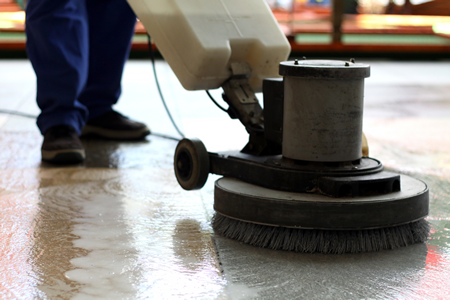
The physical process of stripping has also seen technological updates. Maintenance crews now use oscillating pad technology rather than simple rotary discs. These machines provide more agitation per square inch, which allows for the removal of finish with significantly less water. This reduction in moisture is a safety win, as it minimizes the risk of water seeping into the subfloor or under the baseboards where mold could grow. Reliance on HydroClean Carpet & Floor Care Commercial ensures that patient rooms meet stringent hygiene requirements while protecting the physical asset of the building.
Achieving Proper Neutralization and PH Balance
One of the most frequent failures in floor care occurs between the stripping and waxing phases. If the floor is not properly neutralized, the new wax will fail to bond, leading to flaking and "powdering" within weeks. In 2026, professional standards require a multi-stage rinse process. After the slurry of old wax is vacuumed up, the floor must be treated with a neutralizing solution to bring the pH level of the VCT back to a neutral state, typically around 7.0.
Failure to hit this neutral mark is why many DIY or low-budget floor jobs fail in the surrounding area. If the surface remains too alkaline from the stripper, the new finish will undergo a chemical reaction that makes it brittle. Modern technicians use digital pH meters to verify the floor is ready for finish. This level of precision is now the baseline for any facility looking to pass a high-level safety audit.
Advanced Waxing Techniques for Medical Grade Surfaces
The term "waxing" is almost a misnomer in 2026, as the industry has moved toward high-performance polymer coatings. These finishes often contain a high solids content, usually between 35 and 40 percent. This means that fewer coats are required to achieve a deep, protective barrier. For a hospital in the local area, this translates to less downtime. A three-coat application of high-solids finish in 2026 provides more protection than a six-coat application from a decade ago.
The application method itself is also strictly controlled. Microfiber flat mops have replaced the old string mops for wax application. Flat mops allow for a more uniform thickness, which is essential for even curing. If a coat is too thick, it will skin over the top while remaining soft underneath, leading to "scuffing" as soon as a heavy hospital bed rolls over it. HydroClean Carpet & Floor Care Executive Floor Solutions provides a clear advantage when preparing for annual accreditation inspections, as it ensures the finish is hard enough to withstand the weight of heavy diagnostic equipment.
Safety Standards and Slip Resistance in 2026
Safety is the primary driver behind the 2026 floor care protocols. The Americans with Disabilities Act (ADA) and the National Floor Safety Institute (NFSI) have updated their guidelines for the Dynamic Coefficient of Friction (DCOF). For medical facilities where patients may have mobility issues or where fluids are frequently spilled, the floor must maintain a DCOF of at least 0.42.
Professional floor finishes in 2026 are engineered with microscopic textures that provide grip even when the floor appears to have a "wet look" shine. This high-gloss finish is actually a psychological tool in healthcare; patients perceive a shiny floor as cleaner, which can lead to higher satisfaction scores. However, the maintenance team must ensure that the shine does not come at the expense of safety. Administrators often allocate budgets for HydroClean Carpet & Floor Care for Jackson TN during the slower winter months to ensure their hallways remain slip-resistant.
The Impact of UV-Cured Coatings
A major shift in 2026 for high-traffic medical facilities is the adoption of UV-cured floor finishes. Unlike traditional finishes that require hours of air-drying between coats, UV coatings are cured instantly using a specialized light machine. This technology allows a clinic in the region to strip and wax a hallway and have it back in full service within minutes of the final pass.
While the initial cost of UV-cured coatings is higher, the longevity is nearly double that of traditional acrylic wax. These coatings are also much more resistant to the harsh disinfectants and hand sanitizers that are ubiquitous in healthcare settings. Alcohol-based sanitizers often "eat" through cheap floor wax, leaving unsightly spots. 2026-grade UV coatings are formulated to be chemically inert once cured, preventing this common aesthetic issue.
Environmental Considerations and VOC Compliance
Environmental impact is a major factor for facilities in Tennessee in 2026. The EPA has tightened restrictions on the types of chemicals allowed in indoor environments. Floor care products must now be "Green Seal" certified or meet similar third-party environmental standards. This change has led to the development of finishes that do not off-gas harmful chemicals, which is a major benefit for patients with respiratory issues.
The disposal of stripping slurry has also become more regulated. Facilities are now responsible for ensuring that the liquefied wax and stripper do not enter the local water system without being neutralized. Professional crews in 2026 use specialized filtration vacuums that separate the solids from the liquids, allowing for more environmentally responsible disposal of the waste generated during a large-scale project.
Regional Climate Factors in Tennessee

Local climate plays a role in how Offices Commercial Buildings is executed. In the humid environment of the South, floor finishes can take significantly longer to dry if the HVAC system is not optimized. Maintenance teams in the surrounding area often use high-velocity air movers and dehumidifiers to ensure each coat of wax sets properly. If the humidity is too high during application, the finish can turn cloudy, a phenomenon known as "blushing."
Seasonal timing is also important. Many facilities schedule their major floor overhauls during the spring or fall when the outdoor temperature is moderate, making it easier to control the indoor environment. A well-timed stripping and waxing project can extend the life of VCT by five to ten years, preventing the need for a costly and disruptive floor replacement.
Maintaining the Shine: Post-Wax Protocols
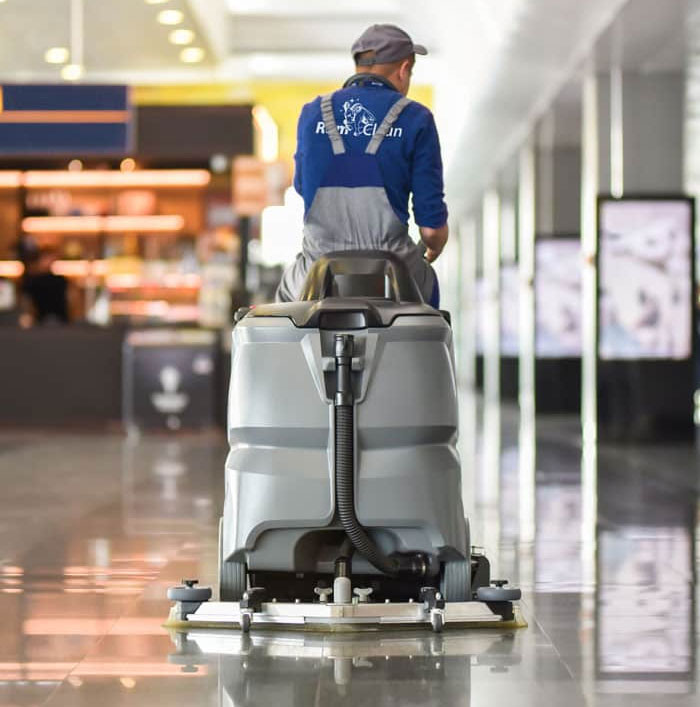
Stripping and waxing is only half the battle. In 2026, the longevity of the floor depends on the daily maintenance routine. The use of neutral cleaners is mandatory, as acidic or highly alkaline cleaners will dull the finish. Many facilities have moved toward automated scrubbers for daily cleaning, which use less water and provide a more consistent clean than manual mopping.
High-speed burnishing is another critical component of the 2026 maintenance schedule. Propane or electric burnishers spinning at 2,000 RPM or more are used to "pop" the shine. This process actually generates heat that slightly softens the top layer of the finish, allowing it to flow and fill in microscopic scratches. This keeps the surface smooth and prevents bacteria from finding a place to hide. Regular burnishing, combined with a solid walk-off mat program at every entrance, ensures that the investment in professional floor care lasts as long as possible.
Conclusion: The Future of VCT in Healthcare
As we look through the rest of 2026, VCT remains a reliable choice for healthcare providers who understand the value of professional maintenance. By adhering to the new standards for stripping and waxing, facilities can ensure they provide a safe, beautiful, and hygienic environment for both patients and staff. The combination of advanced chemistry, precision equipment, and a commitment to safety metrics defines the modern approach to floor care in the medical sector. Whether it is a small clinic in a local town or a large hospital system, the focus remains on quality, safety, and long-term durability.

Table of Contents
- – Current Regulatory Environment for VCT Mainten...
- – The Science of Stripping VCT in 2026
- – Achieving Proper Neutralization and PH Balance
- – Advanced Waxing Techniques for Medical Grade S...
- – Safety Standards and Slip Resistance in 2026
- – The Impact of UV-Cured Coatings
- – Environmental Considerations and VOC Compliance
- – Regional Climate Factors in Tennessee
- – Maintaining the Shine: Post-Wax Protocols
- – Conclusion: The Future of VCT in Healthcare
Latest Posts

Maintaining a Competitive Edge with Apartment Complexes
How Expert Floor Maintenance Reduces Facility Costs

Best Methods in Cleaning High-Traffic Floors
Latest Posts
Maintaining a Competitive Edge with Apartment Complexes
How Expert Floor Maintenance Reduces Facility Costs
Best Methods in Cleaning High-Traffic Floors